Building near overhead or underground electricity infrastructure requires careful planning to keep people, property and equipment safe.
Whether you're building a new home, extending an existing property, installing a shed, undertaking a DIY renovation, completing earthworks, or managing a commercial construction project, it's important to understand the location of nearby electrical assets and allow for safe clearances before work begins.
Building too close to electricity infrastructure can create serious safety risks, lead to costly redesigns, delay projects, and in some cases require significant changes after construction has commenced.
This page provides information to help you plan safely around electricity infrastructure before you build.
Check clearances before the work starts
Understanding the location of electricity infrastructure early can help keep your project safe, compliant and on schedule. Use the following tools:
Who is this information for?
If you're building or planning to build, this information is for you, including:
- Homeowners and DIY renovators - Planning home extensions, sheds, garages, carports, pools, fencing, landscaping or other improvements near powerlines or underground cables.
- Property owners and developers - Planning new homes, subdivisions, multi-residential developments or commercial projects near electricity infrastructure.
- Architects, designers and consultants - Incorporating safe clearances into designs, site layouts, construction planning and future maintenance access requirements.
- Builders, contractors and tradespeople - Planning construction activities, equipment movements and excavation works around overhead and underground electrical assets.
Why planning is important
Electricity infrastructure can create hazards both during construction and throughout the life of a building.
Overhead powerlines can move due to wind, temperature and loading conditions. Underground electrical assets may not be visible but can present significant risks if struck during excavation.
Early planning can help avoid:
- Unsafe building designs.
- Delays during approvals or construction.
- Electrical safety risks to workers and occupants.
- Damage to electricity infrastructure.
- Costly redesign or remediation work.
- Future maintenance access issues.
Know the risks when working or building near powerlines and other electrical infrastructure
Building too close to electricity infrastructure can create serious safety risks for people, property and equipment.
- Non-compliant building clearances - Structures built too close to overhead powerlines may not meet required clearance requirements and may be unsafe to occupy, maintain or use. Rectification can be complex and expensive.
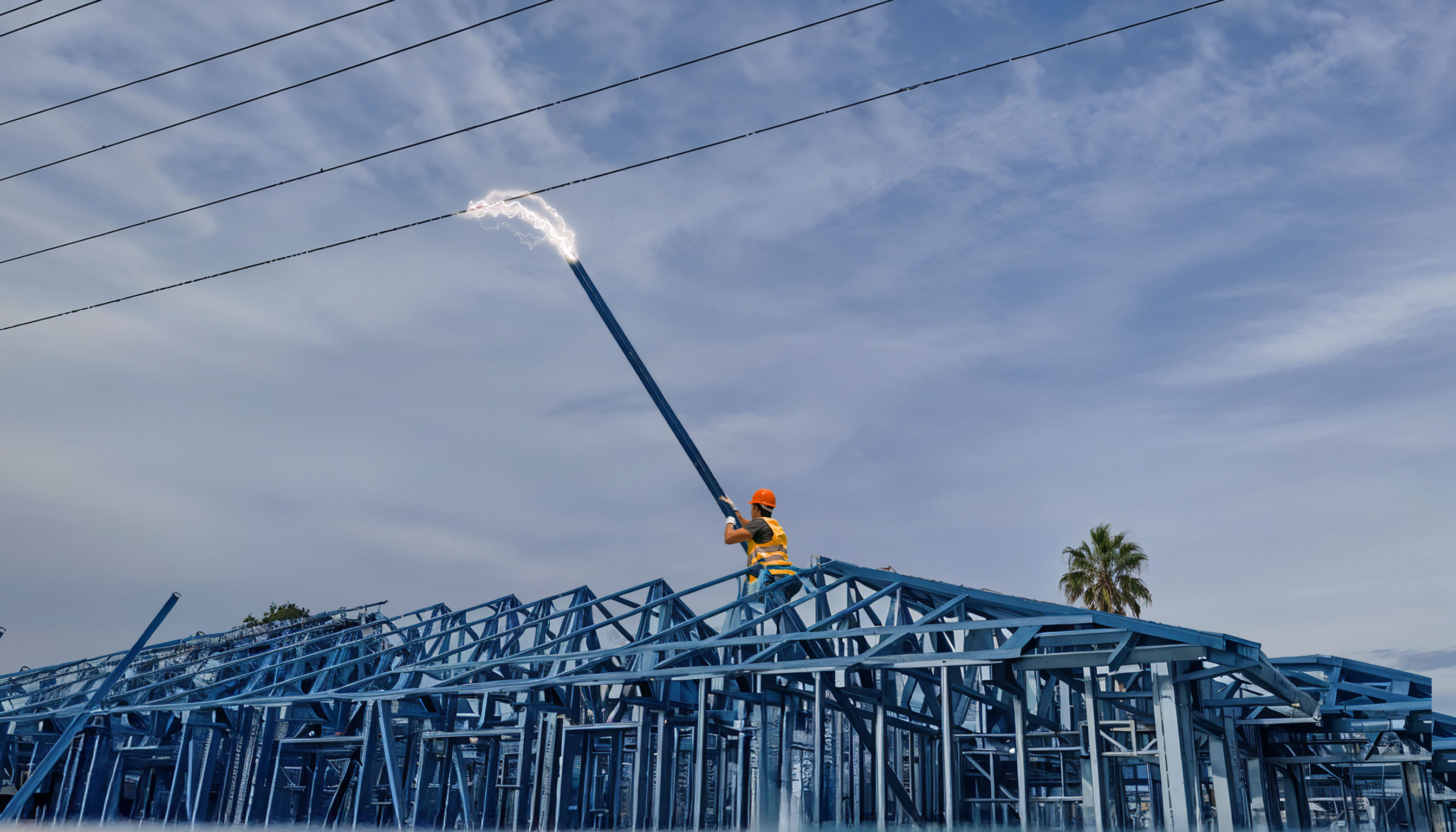
- Electric shock and flashover - You do not need to physically touch a powerline to be injured. Electricity can arc, or "jump", through the air to nearby structures, tools, scaffolding, equipment or building materials.
- Construction activities near powerlines - Activities involving scaffolding, cranes, elevating work platforms, roofing materials, ladders, steel products and other long or conductive items can bring people and equipment too close to live powerlines.
- Underground cable strikes - Excavation work can damage underground electrical assets, creating the risk of serious injury, death, power outages and costly repairs.
- Increased project costs - Failing to account for electricity infrastructure during planning can result in redesign costs, project delays, relocation expenses or other remediation works later in the project.
Key considerations before the work starts
Understand where electricity infrastructure is located
Before planning your project, identify any overhead powerlines or underground electrical assets located on or near the property.
- For overhead powerlines, use the free Look Up and Live tool to help identify nearby electrical infrastructure and powerline voltages.
- For underground electrical assets, lodge a free enquiry through Before You Dig Australia (BYDA) before any excavation work is planned.
Know the powerline voltage
Clearance requirements depend on the voltage of the powerline. You should confirm the voltage before undertaking any risk assessment or design work.
Tools and resources:
Allow for powerline movement
Overhead powerlines are not fixed in one position. They may:
- Swing in windy conditions.
- Sag during hot weather.
- Move under varying operating conditions.
Building clearances need to account for the powerline's potential movement, not just its position on the day it is observed.
You can request Swing and Sag Calculations through the SA Power Networks online Portal where required.
Consider easements and access requirements
Electricity infrastructure may be protected by easements or access requirements that restrict where buildings and structures can be located.
These areas help ensure ongoing access for inspection, maintenance, repairs and emergency response.
Plan excavation works carefully
Many building projects involve excavation.
Before any digging, trenching, post-hole drilling, boring or excavation activity:
- Obtain underground asset information through Before You Dig Australia.
- Review the information provided.
- Follow any requirements relating to underground electrical assets.
Minimum safe clearances
Minimum clearance requirements when building near powerlines are determined by factors such as:
- Powerline voltage.
- Line construction type.
- Whether conductors are insulated or bare.
- Swing and sag characteristics.
- Building design and location.
These requirements are maintained by the Office of the Technical Regulator (OTR). For current clearance requirements, refer to:
Working and building near overhead powerlines
If your project involves overhead powerlines, you should understand both the final building clearance requirements and how construction activities will be completed safely.
Construction methods, equipment selection and material handling should all be considered during project planning.
For detailed guidance on working around overhead powerlines, visit:
Working near underground electrical assets
Underground electrical assets may be present on both public and private property.
Even relatively small projects can potentially impact underground electricity infrastructure. These can include the following:
- installing fences
- building retaining walls
- landscaping
- constructing driveways
- installing pools
- digging post holes.
Before starting excavation work, always obtain underground asset information through Before You Dig Australia.
For more information, visit:
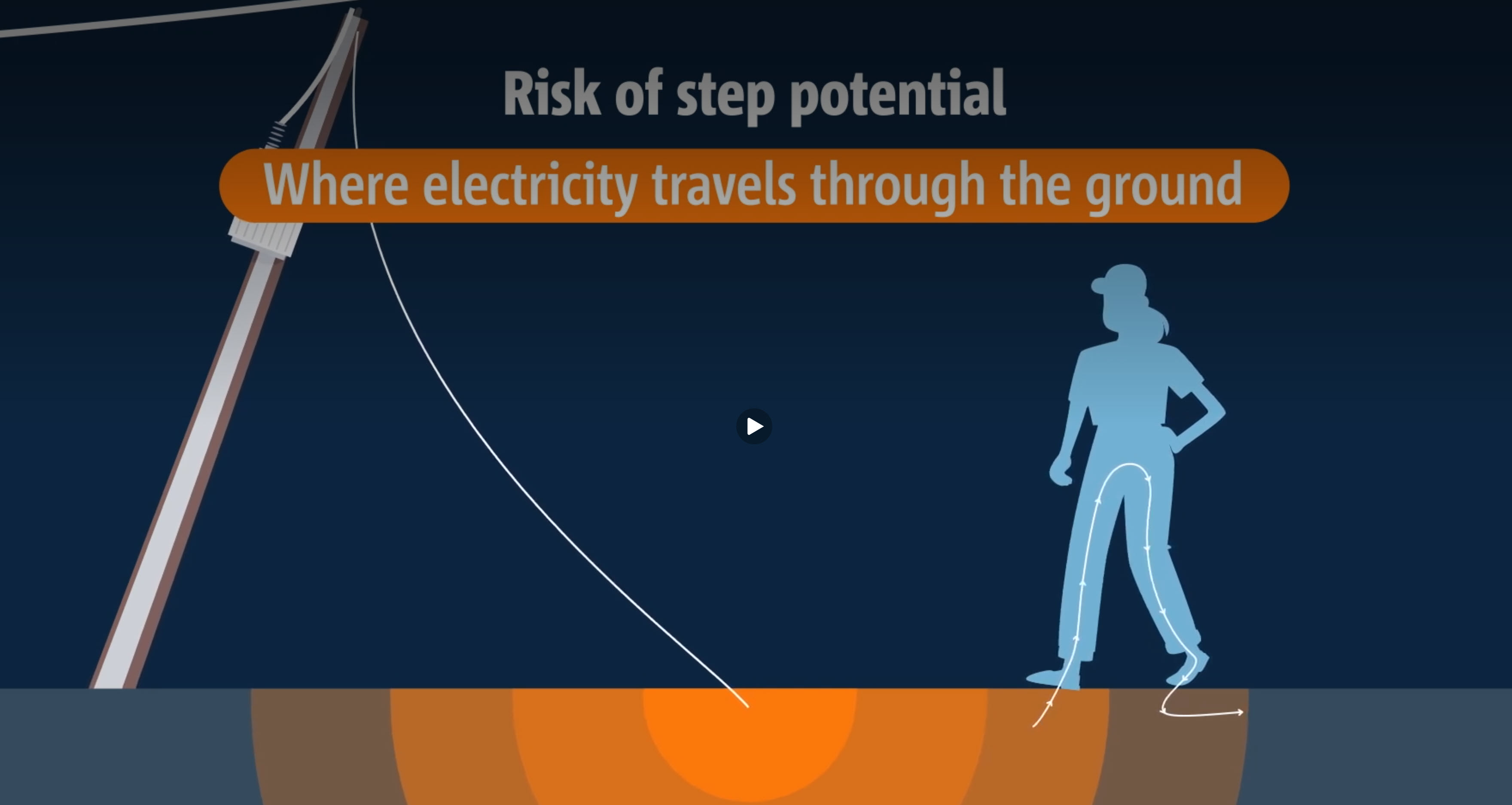
The 'jump-and-shuffle' evacuation procedure
If your vehicle comes into contact with a powerline, in some cases, it may be necessary for everyone to evacuate the vehicle to prevent injury. If this is the case, several steps must be followed to maximise your safety including:
- Jump clear: Jump out of the vehicle and away from it, ensuring you do not touch the vehicle and the ground at the same time.
- Land feet together: Land with your feet firmly together.
- Shuffle away: Move away by shuffling with your feet close together or taking as small as possible gliding steps. Do not lift your feet or allow them to step apart.
- Clear the area: Continue shuffling until you are at least 10 metres (a bus length) away from the vehicle and any fallen lines.
- Stay clear: Do not return to the vehicle for any reason until SA Power Networks staff have confirmed the area is safe.
For a clear demonstration of this technique, watch this short video: